

Read the labels together
ENERGY STAR identifies qualifying efficiency performance. The yellow EnergyGuide label provides a standardized comparison and an estimated operating cost under stated assumptions. Use those assumptions to compare similar machines; do not treat the printed dollar figure as your utility bill.
Record annual energy use, water use where available, model number and capacity. Make sure you are looking at the US model rather than a similarly named appliance assessed under another country’s system.
Capacity changes the calculation
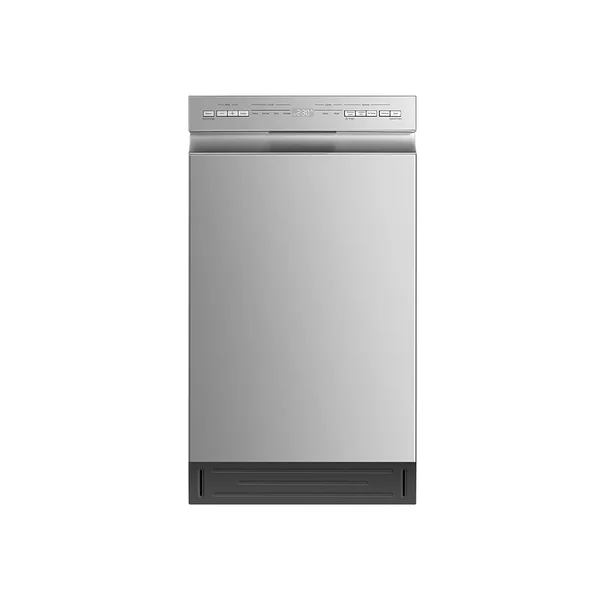
A countertop machine can make sense for a small daily load, but running several compact cycles to replace one full-size load changes the result. Equally, buying a large machine only to run it nearly empty may not suit your routine.
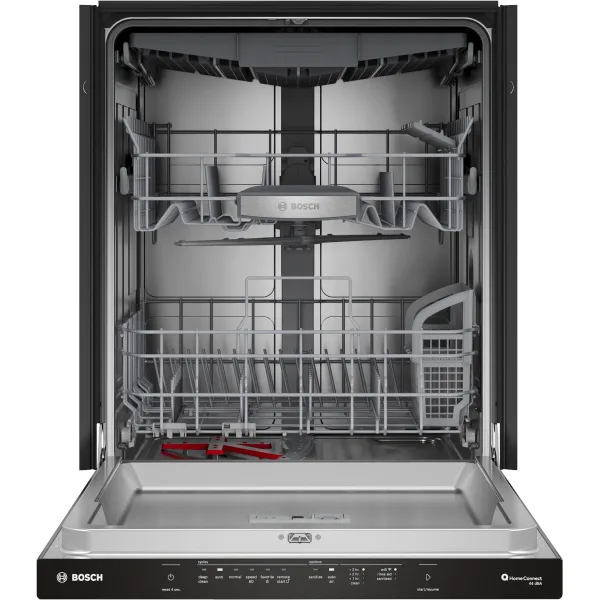
Think through a representative week: breakfast dishes, cooking equipment, lunch containers and weekend loads. Choose a rack arrangement that fits these items without blocking the spray. Useful capacity is more valuable than an impressive place-setting number that does not match your dishes.
Efficiency after purchase
Use the appropriate normal or sensor program for ordinary loads and reserve extra heat for the situations that need it. Scrape solids rather than making every plate spotless under a running tap. Keep the filter and spray paths clear.
If your electricity tariff changes by time of day, calculate the savings from shifting a load using your actual rates. A timer changes when energy is used; it does not by itself make a cycle consume less. Compare estimated savings with convenience, noise and household safety.