


Separate the problems
Hard-water film, food residue and etched glass can look similar at first. A mineral-management feature addresses a different problem from stronger spray action. Start with the local water supplier’s report or a suitable hardness test, then compare the result with the appliance’s instructions.
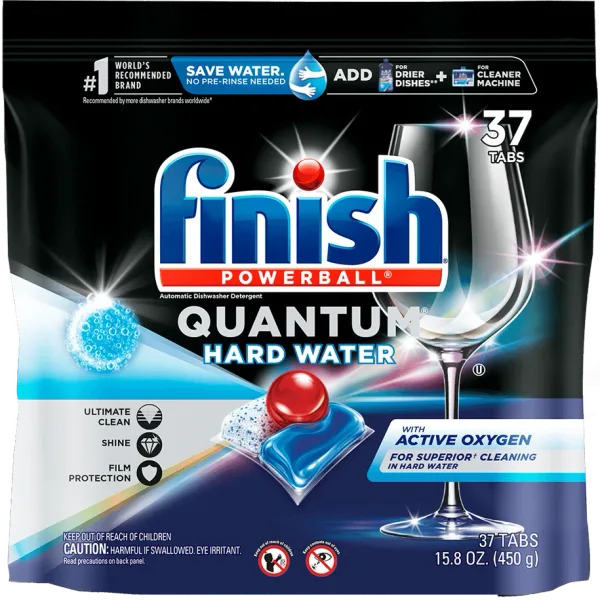
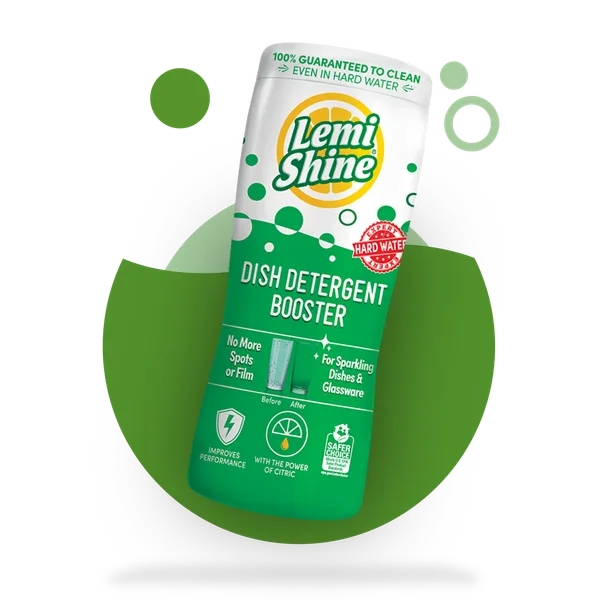
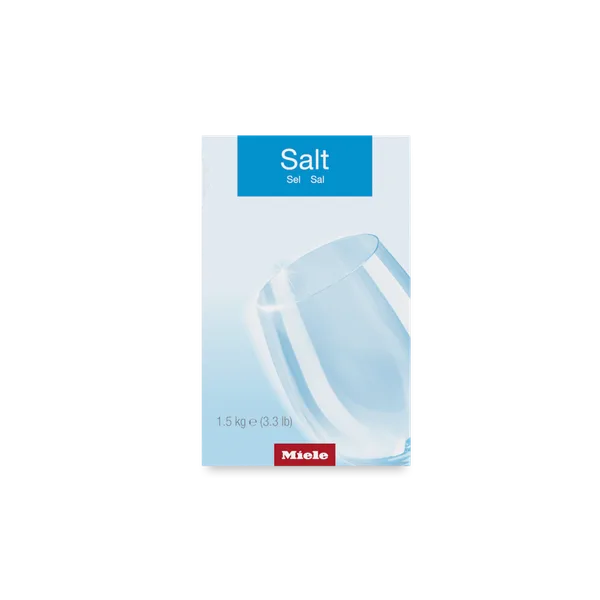
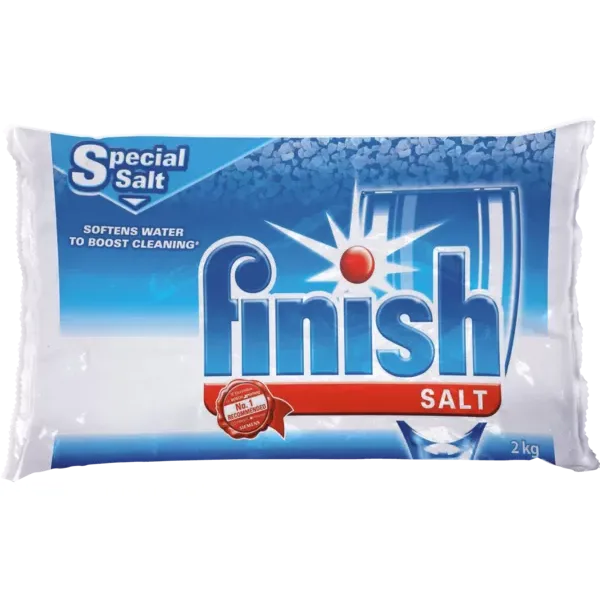
A built-in softener uses its own specified salt reservoir and hardness setting. It is not the same as adding rinse aid or buying a detergent marked for hard water. Confirm the actual softener equipment on the exact US model; do not infer it from a European version.
Choose features you will maintain
An integrated softener can be worth considering when mineral deposits persist and you are prepared to refill and set it correctly. Without one, correct dosing, appropriate detergent and compatible periodic descaling become more important. Neither route removes the need to clean food from a filter.
Our preference is to compare a machine’s maintenance instructions before paying for the feature. Check access to the reservoir, the refill indicator and whether a household water softener changes the recommended settings.
Buying and ownership checks
- Record hardness in the units your dishwasher manual uses; use a reliable conversion if the water report differs.
- Ask the seller to point to the exact model’s softener specification.
- Use dishwasher salt only where the manual specifies it; never pour it into the wash tub as a substitute for detergent.
- Adjust one variable at a time when investigating spots: detergent, rinse-aid setting or a selected cycle.
- If glasses are etched, a new detergent cannot restore the damaged surface.